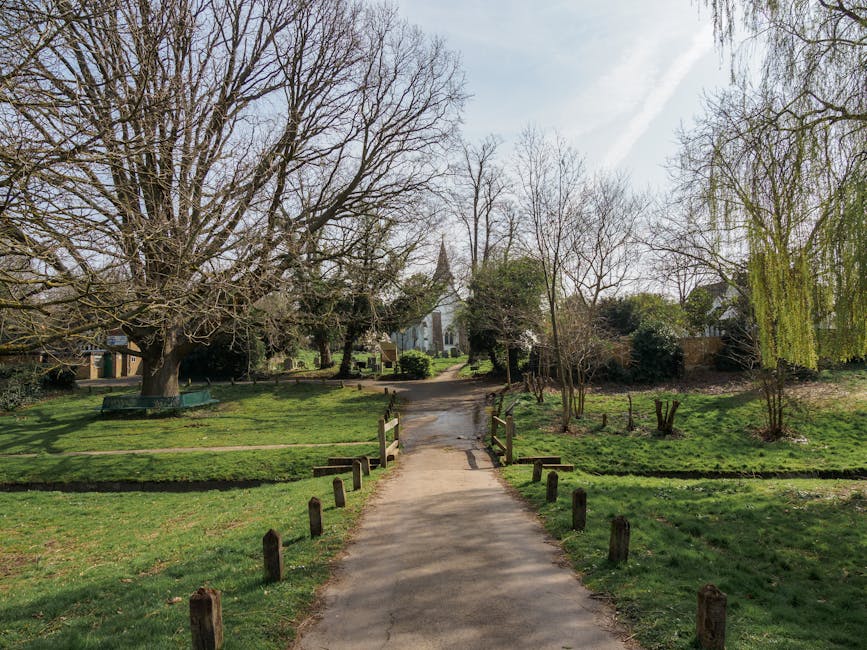
Church Road St Pauls Cray gardeners for clearance and repair: a practical guide to restoring overgrown outdoor spaces
If your garden has started to feel more like a problem than a place to relax, you are not alone. Overgrown beds, broken fencing, tangled ivy, damaged edging, slippery patios, and tired planting can build up quietly, then suddenly the whole space feels overwhelming. That is exactly where Church Road St Pauls Cray gardeners for clearance and repair come in: a sensible, hands-on way to clear the clutter, make safe repairs, and get the garden back to something you can actually enjoy.
This guide breaks down what clearance and repair work usually involves, how the process works, who it suits, and what to look for before booking a job. It also covers practical mistakes to avoid, useful checks, and the kind of real-world details that matter when you want the work done properly, not just quickly. Truth be told, a garden rarely needs one big heroic fix. More often, it needs a careful sequence of clearing, cutting back, repairing, and finishing well.
Why Church Road St Pauls Cray gardeners for clearance and repair Matters
Garden clearance and repair is not just about making things look neat for a weekend. It is about protecting the long-term condition of the space. When weeds, brambles, self-seeded saplings, and old debris sit for too long, they can hide damaged surfaces, hold moisture against timber, and make simple maintenance harder than it needs to be.
In a local street setting like Church Road, gardens often have a mix of narrow side access, mature hedging, older fencing, and compact outdoor areas. That combination can make DIY clearance slow and messy. A professional approach helps you deal with the obvious problems first, then spot the hidden ones: broken trellis, loose paving, rotting posts, cracked edging, or drainage issues around the base of walls.
It also matters for safety. A patch of slippery moss on a patio, a leaning panel, or sharp debris left in the grass can all become everyday hazards. Not dramatic, just annoying until someone slips or gets scratched. And once you start clearing, you often uncover the real story of the garden underneath. That is usually when people think, "Right, now I see what we're working with."
If your overgrowth includes ivy, thick ground cover, or plants climbing into fences and sheds, it can help to read a little before starting. For example, the guide on getting rid of ivy for good is useful if you are dealing with stubborn growth that keeps returning.
How Church Road St Pauls Cray gardeners for clearance and repair Works
Most clearance and repair jobs follow a fairly logical pattern, even if the site itself looks chaotic at first. The first step is usually a visual assessment. A gardener will look at access, the size of the area, the type of waste, and what needs to be repaired rather than just removed. That distinction matters more than people think.
Then comes the clearance phase. This may include cutting back brambles, removing weeds, lifting dead planting, clearing leaf litter, dismantling old supports, and tidying boundary lines. If the site has been neglected for a while, clearance can reveal the original structure of the garden again. Sometimes that is the best part of the job. You can almost feel the space breathing again.
After that, repair work begins. This may involve fixing or replacing fence panels, stabilising posts, restoring edging, repairing broken sections of decking, cleaning patio surfaces, or cutting back damaged growth around trees and hedges. The order is important: clear first, repair second, and finish with any shaping, replanting, or tidy-up work.
For many properties, it makes sense to combine clearance with other maintenance tasks. A one-off visit can become the starting point for a more manageable routine, such as regular garden maintenance, lawn mowing, or even longer-term lawn care if the grass has been smothered by weeds or shade.
Key Benefits and Practical Advantages
The most obvious benefit is space. Once the clutter is gone, paths become visible, beds make sense again, and the garden feels larger. But the practical advantages go beyond appearance.
- Safer access: fewer trip hazards, fewer loose branches, and clearer walking routes.
- Better drainage and airflow: overgrowth traps damp, which can damage wood and encourage moss.
- Earlier problem detection: it is easier to spot rot, cracks, leaning fences, or damaged paving once the mess is removed.
- Lower maintenance later: a cleaned-up garden is easier to keep tidy after the heavy work is done.
- Stronger visual structure: once the line of the garden is visible again, you can plan next steps with confidence.
There is also a less obvious benefit: motivation. People often feel stuck because the whole space looks impossible. Once a section is cleared, the job no longer feels vague. You can see progress. That matters. Really matters.
Another practical upside is that clearance makes other improvements possible. If you want to add screening, reshape a hedge, or create a seating corner, those ideas only work properly when the site has been cleared and repaired first. For inspiration, you might also find the pieces on starting a garden makeover and garden seating areas blending style with functionality helpful.
Who This Is For and When It Makes Sense
This type of service is useful for homeowners, landlords, tenants, and property managers alike. It is especially relevant if a garden has been left unused through winter, if a rental property needs a quick reset between occupiers, or if a boundary issue has become too awkward to ignore.
It can also make sense after storms, long wet spells, or a period of no maintenance. In the UK, a few weeks of mild weather can turn into a jungle surprisingly fast. One day the hedge looks fine, the next day you cannot see the back fence. Funny how that happens.
Here are common situations where clearance and repair is the right move:
- The garden is overrun with weeds, nettles, or brambles.
- Old fencing or edging is damaged and letting the space look untidy.
- Patio slabs or decking have become slippery, stained, or difficult to use.
- Hedges and shrubs have grown out of shape and are blocking light.
- You want to prepare the garden for replanting, landscaping, or a sale.
- The space needs to be made safer for children, pets, or visitors.
If the issue is mostly pruning rather than total clearance, a dedicated hedge trimming visit may be the better fit. If the issue is bigger and broader, then a more complete gardening services package is often the smarter route.
Step-by-Step Guidance
If you are planning a clearance and repair job, it helps to think in stages. That way, the work feels manageable instead of like one giant lump of stress. Here is a simple process that reflects how good jobs are usually handled.
- Walk the site properly. Look for hidden problems, not just the obvious mess. Check fences, gate hinges, edging, paving, compost heaps, and drainage-prone corners.
- Decide what stays and what goes. Not every plant needs removing. Some shrubs can be reshaped, and some ground cover can be useful if it is healthy and appropriate.
- Clear in layers. Remove loose waste first, then cut back heavy growth, then deal with roots, stumps, or stubborn plants.
- Sort waste carefully. Green waste, timber, stone, and mixed debris should be separated where possible. It saves time later and avoids a nasty pile-up.
- Repair the structure. Fix fencing, edging, decking boards, patios, and other damaged elements once the space is exposed.
- Finish with a tidy and shape. This is where the garden starts to feel intentional again, not simply emptied.
- Plan the next layer. Think about replanting, mulch, weed control, or low-maintenance improvements.
If you want a stronger foundation for the next phase, a guide like ground covers for UK outdoor spaces can help you choose plants that do useful work without demanding too much attention.
Expert Tips for Better Results
A few practical habits make a big difference to the quality of the result. First, avoid treating clearance as just a one-day clean-up. If the garden is heavily overgrown, the job goes better when the gardener also thinks about what will prevent the same mess returning too quickly.
Tip one: cut back growth to reveal structure before deciding on repairs. That may sound obvious, but many people want to start replacing things before they can even see what is damaged. Slow down a bit. You will save effort.
Tip two: handle repairs while access is open. Once you have cleared dense growth, it is the perfect moment to fix the fence base, reset loose paving, or replace rotten boards. Waiting often means paying twice in effort.
Tip three: keep an eye on light and shade. In a garden with mature trees or nearby buildings, clearance can change how much sun reaches the beds. If that creates new shade, you may need evergreen or low-light planting. The article on shaded corners through evergreen planting is worth a look.
Tip four: do not forget the "boring" finishing details. Edges, corners, and side access routes often decide whether the space feels professionally restored or only partly done.
Tip five: if the garden needs to stay easy to manage, keep future design simple. The best-looking low-maintenance spaces usually rely on repeatable shapes, not constant fuss.
Common Mistakes to Avoid
One of the biggest mistakes is clearing too aggressively without checking what lies beneath. Hidden utility covers, shallow tree roots, old fixings, and unstable edging can all be disturbed if the work is rushed. In a real garden, surprises are normal. Nobody loves them, but they are normal.
Another common issue is treating all growth as "the problem." In practice, some plants are useful for screening, erosion control, or seasonal structure. Removing everything can leave the garden flat and exposed. That is not always what people want, especially if privacy matters.
People also underestimate waste volume. A small patch of bramble can produce a shocking amount of material once cut back. If the job includes ivy, hedging, timber, and mixed garden waste, you need a sensible clearance plan. For broader weed control, the article on simplifying weed management gives a practical starting point.
Finally, do not ignore repairs just because the garden already looks better. A cleaned-up space with a rotten post or unsafe slab is still a problem. Better to deal with both while the area is open.
Tools, Resources and Recommendations
For most clearance and repair work, the right tools are less about flash and more about control. A strong pair of shears, pruning tools, gloves, rakes, waste bags, a wheelbarrow, and basic cutting equipment usually cover a lot of ground. For larger jobs, power tools may be needed, but only if used safely and with the right judgement.
A practical toolkit often includes:
- loppers and secateurs for smaller growth
- hedge cutters for shaping and reduction
- spades or border forks for stubborn roots and edging
- rakes and brooms for finishing the site cleanly
- tarpaulins for collecting and moving debris
- protective gloves, eye protection, and sturdy footwear
For people planning a bigger tidy-up, it is also worth thinking about what comes after the clearance. Low-maintenance planting, simple structure, and cleaner circulation routes all help reduce future work. You could also explore low-maintenance garden designs if you want the space to stay easier to manage after the restoration.
If you are unsure about tool choice or the scale of the job, a professional can usually advise whether the work needs hand tools, powered equipment, or a combination of both. That kind of judgement call saves time, and frankly, a lot of frustration.
Law, Compliance, Standards, or Best Practice
For clearance and repair work, the main concern is usually not legal complexity but safe working practice. That said, there are some common expectations worth respecting. Waste should be handled responsibly, sharp tools should be used with care, and any work near boundaries, shared access, or trees should be checked properly before starting.
Where tree branches, roots, or larger woody growth are involved, it is sensible to be cautious and seek professional judgment rather than guessing. Heavy pruning or cutting into mature growth can cause avoidable damage. Likewise, if there is evidence of unstable fencing, decay, or structural movement, the repair side should be handled methodically rather than patched over.
Safety and clarity matter here. A reputable provider should be able to explain what they are doing, what waste will be removed, and what the finished condition will be. If you want to understand how a service provider approaches safety, a page like health and safety policy can give you a useful sense of the standards involved. For reassurance around working practices and cover, insurance and safety is also worth checking.
Where payment, terms, or complaints matter, it is sensible to know those details before work begins. That is basic best practice, really, and it avoids awkwardness later. Nothing glamorous, just sensible.
Options, Methods, or Comparison Table
Not every garden needs the same kind of response. Some need a light reset, others need a full clear-out and structural repair. The table below gives a simple way to compare the main approaches.
| Approach | Best for | Typical focus | Main drawback |
|---|---|---|---|
| Light clearance | Gardens that are untidy but still usable | Weeds, leaf litter, small pruning, quick tidy-up | May not solve deeper access or repair issues |
| Clearance plus repair | Overgrown spaces with damaged boundaries or surfaces | Removal of dense growth, fence fixes, edging, patio or decking repairs | Usually takes longer and needs more planning |
| Full garden reset | Neglected gardens or pre-renovation projects | Heavy clearance, waste removal, structure restoration, preparation for redesign | Higher effort and often higher cost |
| Ongoing maintenance | Owners who want to stop the problem returning | Regular mowing, trimming, weeding, and seasonal tidying | Needs consistency, even when life gets busy |
If your garden is still in that in-between stage where one corner is tidy and another is a bit wild, a mixed approach is usually the most sensible. Start with clearance, then decide what truly needs repair, then think maintenance. Not the other way round.
Case Study or Real-World Example
Imagine a typical Church Road garden with a narrow side return, an old fence line, a patchy lawn, and a rear corner full of ivy, nettles, and broken timber from an old trellis. At first glance, it feels like three different jobs. In reality, it is one job done in the right order.
The clearance begins with cutting back the ivy and lifting dead material from the border. Once the growth is removed, the fence weakness becomes obvious: one post is leaning, and two panels are loose. The patio edge nearby has become slippery with algae and leaf debris, so it needs cleaning as well. The lawn, meanwhile, is not beyond saving, but it is thin and crowded by weeds.
After the clearance, the repair phase focuses on the fence and the patio edge. Then the finishing work tightens the border shapes, improves the lawn edges, and makes the garden feel usable again. The result is not a perfect show garden. It does not need to be. It is a safer, clearer, more manageable space that the owner can now maintain without dread every time they look outside.
That is the quiet win with jobs like this: not drama, just relief. You step outside, and the place finally feels like yours again.
Practical Checklist
Use this checklist before booking or starting a clearance and repair visit:
- Walk the garden and note every visible problem.
- Check whether the issue is mostly clearance, mostly repair, or both.
- Decide if any plants should be saved, reshaped, or removed.
- Identify hard-to-reach areas such as side access, corners, and undergrowth.
- Look for broken fencing, unstable edging, loose slabs, or damaged decking.
- Think about waste volume and removal.
- Consider whether the garden needs a one-off reset or ongoing maintenance.
- Plan any follow-up work, such as replanting, turf care, or hedge shaping.
- Ask how safety and insurance are handled.
- Confirm what the finish should look like when the work is complete.
If the garden is particularly messy and you are not sure where to start, a useful next move is to read a few service pages, compare what you actually need, and then speak with a professional. For straightforward contact, you can use the contact page when you are ready.
Get a free quote today and see how much you can save.
Conclusion
Clearance and repair work is one of those jobs that changes how a garden feels at every level. It improves safety, reveals hidden issues, restores structure, and makes future maintenance far easier. For Church Road St Pauls Cray properties, where space, access, and older boundary features can all play a part, the right approach is careful, local, and practical.
The best outcomes usually come from doing things in the right order: clear the mess, repair the weak points, tidy the finish, then decide how to keep it under control. That way the garden stops being a burden and starts becoming useful again. And honestly, that shift is worth a lot.
A garden does not have to be perfect to feel good. It just has to feel looked after.
Frequently Asked Questions
What do Church Road St Pauls Cray gardeners for clearance and repair usually do?
They typically clear overgrown areas, remove waste, cut back dense growth, and repair related issues such as damaged fencing, broken edging, slippery patios, or tired decking. The exact mix depends on the condition of the garden.
Is clearance and repair better than booking separate jobs?
Often, yes. If the repair work is hidden behind overgrowth, it makes sense to clear first and repair second. Combining the tasks can save time and help the gardener spot problems that would otherwise be missed.
How do I know whether my garden needs clearance or just maintenance?
If the space is still broadly tidy and only needs regular mowing, edging, and pruning, maintenance may be enough. If the garden feels blocked, unsafe, or hard to access, it is probably a clearance and repair job.
Can damaged fencing be fixed during the same visit?
Usually, yes, if access is good and the damage is straightforward. Once surrounding growth is removed, fence issues are often easier to assess and repair properly.
What happens to all the garden waste?
That depends on the provider and the scale of the job. In many cases, waste is collected, sorted, and taken away as part of the work. It is sensible to ask this in advance so there are no surprises.
Will clearance damage the plants I want to keep?
Not if it is done carefully. A good gardener will distinguish between plants that need removing and plants that can be preserved, reshaped, or supported. If you have favourites, point them out before work starts.
How long does a clearance and repair job usually take?
It depends on size, access, waste volume, and the level of repair needed. A small tidy-up may be quick, while a neglected or heavily overgrown garden can take much longer. There is no honest one-size answer.
Is it worth repairing a garden before redesigning it?
Yes, usually. Structural issues such as broken fencing, poor surfaces, or unsafe edges should be dealt with first. Once the garden is stable and clear, any redesign is easier to plan and more likely to last.
Do I need hedge trimming as part of clearance work?
Sometimes. If hedges are blocking access, spilling into paths, or making the garden feel cramped, trimming can be part of the clearance. For more controlled shaping, a dedicated hedge service may be the better choice.
What should I ask before hiring a gardener for this kind of job?
Ask what is included, how waste will be handled, whether repairs are covered, how safety is managed, and what the expected finish will be. Those simple questions tell you a lot about the quality of the service.
Can a neglected garden be brought back without a full redesign?
Absolutely. Many gardens just need clearance, repair, and a smarter maintenance plan. You do not always need a complete makeover. Sometimes a solid reset is enough to make the space feel alive again.
Where should I start if the garden looks too overwhelming to tackle?
Start with a quick assessment, then make one list for clearance and one list for repairs. If it still feels like too much, speak to a local gardener and ask for a practical plan rather than trying to solve everything at once.